From Static Sites to Dynamic Stories: Creative Canvas and the Evolution of Interactive Web Experiences
The digital landscape is shifting from static pages to living, breathing experiences that invite users to engage, explore, and connect. Modern websites are no longer digital brochures, they are dynamic environments where design, motion, and interactivity shape brand storytelling. Leading this evolution is Creative Canvas, a studio that transforms conventional web design into interactive narratives, merging technology with emotion to create digital stories that feel alive.
The Era of Interactive Storytelling in Web Design
The internet has matured from an information hub to an experience economy. Users expect brands to tell stories that resonate, not just deliver facts. Interactive design bridges that gap. It converts passive browsing into active participation, allowing users to feel part of the journey.
This transformation is not just visual. It involves a blend of micro-interactions, animations, and responsive feedback that mimic real-world communication. A subtle hover effect, a scroll-triggered animation, or a dynamic background movement — all these small elements collectively build emotional connection.
Creative Canvas captures this trend through a philosophy that design must be experienced, not observed. By crafting web environments that move and respond like living systems, they make digital spaces that feel human.
From Function to Feeling: The Psychology of Interaction
Interactivity in web design taps directly into cognitive and emotional psychology. Humans are wired to respond to stimuli — motion, sound, and feedback — which make online experiences more memorable. When users click a button and see a ripple effect, or scroll through a story that visually unfolds, they feel a sense of control and connection.
These micro-moments of delight contribute to retention and recall. Research in behavioural design shows that interactivity triggers dopamine-driven curiosity. This not only keeps users engaged longer but also builds a subconscious bond with the brand.
How Motion Design Elevates Storytelling
Motion design is the visual heartbeat of dynamic storytelling. It directs attention, communicates hierarchy, and adds rhythm to the browsing journey. Whether it’s a logo that subtly animates or a storyline revealed through parallax scrolling, motion becomes the storyteller’s brushstroke.
Creative Canvas integrates motion not as decoration but as narrative. Each movement has intent, guiding users through chapters of a brand’s story while maintaining visual clarity and accessibility. The result is a seamless blend of emotion and information — something that static layouts can rarely achieve.
The Rise of Micro-Interactions
In the modern web ecosystem, micro-interactions define user experience. They are the feedback mechanisms that communicate cause and effect: a button changing colour on hover, a menu smoothly expanding, or an icon responding to a click.
These seemingly minor design choices have an outsized impact. They reinforce usability while shaping brand perception. A thoughtful animation can signal reliability and attention to detail, while inconsistent feedback creates frustration.
At Creative Canvas, micro-interactions are treated as part of the brand voice. They embody personality, transforming routine interactions into memorable experiences that quietly speak about craftsmanship.
The Role of Responsive Design in Dynamic Storytelling
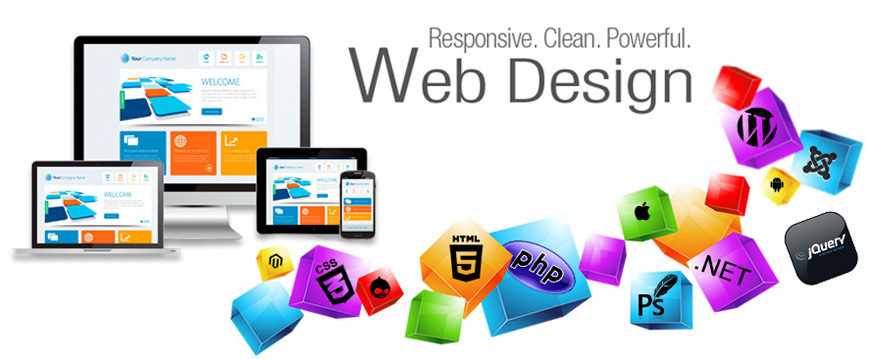
Dynamic storytelling demands flexibility. Users consume content across devices and contexts, from large desktop screens to mobile interfaces. A design that performs flawlessly on one platform but collapses on another breaks the narrative continuity.
Responsive design ensures that interactivity scales naturally. Creative Canvas employs adaptive techniques that align storytelling flow across all devices, maintaining visual balance, speed, and coherence. This consistency strengthens user trust and reinforces brand reliability.
Integrating Sound, Motion, and Space
The future of interactive web design lies in multisensory experiences. Designers are experimenting with soundscapes, haptic feedback, and immersive scrolling to add depth. Used wisely, sound can reinforce emotion, while space — in the form of breathing room and rhythm — controls pacing and tension.
By blending these sensory layers, websites evolve into cinematic experiences. This multidisciplinary approach turns static content into a digital performance, inviting users to engage with brands as they would with a compelling story or film.
The Technology Powering Dynamic Experiences
Behind every immersive experience lies a blend of technology and artistry. Tools like WebGL, GSAP, and Lottie enable fluid animations and interactive elements without compromising performance. Meanwhile, AI and real-time rendering systems allow interfaces to respond intelligently to user behaviour.
Creative Canvas leverages these tools to create websites that learn and adapt. A homepage might change its focus based on user engagement patterns, or an interface may subtly personalise its visuals to reflect browsing intent. This blend of design and intelligence redefines user experience at scale.
Measuring the Impact of Interaction
Interactivity is not only aesthetic — it’s strategic. Metrics such as engagement time, scroll depth, and conversion rate reveal the tangible benefits of dynamic storytelling. When users spend more time exploring, it indicates emotional investment.
Studies show that interactive sites yield up to 40% higher engagement and significantly better brand recall compared to static designs. By continuously analysing these behavioural insights, agencies like Creative Canvas refine and evolve design frameworks to meet user expectations.
The Human Element in an Interactive World
Amid technological advancement, human intuition remains the anchor. Algorithms can optimise layouts, but only designers understand emotion, rhythm, and nuance. It’s the human touch that distinguishes an immersive story from a digital simulation.
Creative Canvas operates on this belief: design technology should amplify human creativity, not replace it. Their projects combine empathy-driven design with algorithmic precision, ensuring that every interactive element feels intentional and meaningful.
The Future of Interactive Experiences
The evolution of web design is moving toward adaptive storytelling — websites that evolve in real time based on user context, emotion, or environment. Imagine a travel website that changes its imagery based on local weather, or a retail platform that adjusts its colour tone depending on mood or time of day.
This convergence of personalisation and interactivity will define the next decade of digital design. Brands that master this fusion will not just inform but emotionally engage users, fostering loyalty and long-term relationships.
Creative Canvas is already navigating this frontier, proving that digital storytelling can be as immersive as cinema, as personal as conversation, and as powerful as emotion itself.
FAQs
Q1. What makes interactive web design more effective than traditional design?
Interactive design actively engages users through motion, feedback, and responsiveness. It turns passive browsing into participation, improving engagement, recall, and conversion.
Q2. Are dynamic websites harder to maintain?
While dynamic sites involve more complexity, well-structured code and scalable frameworks make updates and maintenance smooth. The key lies in thoughtful architecture and clean design systems.
Q3. How does interactivity affect SEO and performance?
When optimised properly, interactive elements enhance engagement metrics, reduce bounce rates, and improve user satisfaction — all of which positively influence search visibility.
Q4. Can storytelling design work for all industries?
Yes. Any business with a message to communicate can benefit from storytelling-driven design. It’s about translating brand values into emotional narratives, regardless of niche.
Q5. How do users respond to motion and animation online?
When used with purpose, motion design increases user comprehension and delight. However, overuse can distract. The best designs strike a balance between creativity and clarity.
Interactive design represents the harmony of technology and art. With studios like Creative Canvas leading the movement, the web is no longer static — it’s a story unfolding with every scroll, click, and touch.