How to Learn Web Design Without a Formal Degree
The idea that you need a university degree to become a web designer is fading fast. Many of the best designers working today learned their craft through online courses, trial and error, and real projects for real clients. A degree can help, but it is not the only path, and for many people it is not even the best one.
Web design is a skill-based field. Clients and employers care about what you can produce, not where you studied. A well-built, attractive website that loads quickly and works on mobile devices speaks louder than any diploma. The challenge is knowing how to build those skills efficiently when you are starting from zero and working without a formal curriculum.
Key Takeaways
- You can become a skilled web designer without a degree by using free and low-cost online resources combined with hands-on project work.
- The core skills to learn are HTML and CSS fundamentals, responsive design, basic UX principles, and how to use a content management system like WordPress.
- Building real websites for yourself, local businesses, or charities teaches more than any course alone.
- Structured web design training, whether through courses or workshops, helps beginners avoid common mistakes and learn faster than going it alone.
- Employers and clients in 2026 care more about your portfolio and problem-solving ability than your educational background.
The university route takes three years and costs thousands of pounds. The self-taught route can produce a working designer in six to twelve months, if you follow the right learning path and stay consistent.
Why the Degree Requirement Is Disappearing
The web design industry has never been a traditional one. It grew quickly, changed constantly, and drew talent from every background. As the tools got simpler and the resources got better, the barrier to entry dropped. Today, a teenager with a laptop and an internet connection can learn more about web design in six months than a student covers in the first two years of a degree programme.
Companies have noticed. Many tech employers no longer list a degree as a requirement for design roles. They ask for a portfolio, problem-solving skills, and the ability to work with modern tools. Some of the biggest names in tech, including Google and Apple, have dropped degree requirements for many positions. The trend is accelerating, not reversing.
This shift makes web design training outside of university more valuable than ever. Short courses, bootcamps, and mentorship programmes offer focused, practical skills without the general education requirements that fill out a degree timetable. They also cost a fraction of the price.
<blockquote>The best web designers are not the ones with the most qualifications. They are the ones who have built the most things.</blockquote>
A person sketching a wireframe design on a notebook
The Skills That Actually Matter
If you want to learn web design without a degree, you need to focus on the skills that employers and clients actually pay for. These fall into several categories.
HTML and CSS
These are the foundation of every website. HTML structures the content. CSS styles it. You cannot call yourself a web designer without knowing both. Free resources like the HTML and CSS courses on web.dev or freeCodeCamp teach these from absolute basics to intermediate level.
Responsive Design
Every site must work on phones, tablets, and desktops. Responsive design is the practice of building layouts that adapt to different screen sizes. This used to be a specialist skill, but it is now expected of every designer. Learn CSS Flexbox and Grid early, and practise building layouts that reflow on smaller screens.
UX and Usability Basics
Designing something that looks good is only half the job. The site also needs to be easy to use. Understanding basic UX principles, such as clear navigation, readable typography, logical page layouts, and accessible colour contrast, separates a professional designer from someone who just makes things pretty.
Content Management Systems
Most small business websites run on WordPress or similar platforms. Knowing how to build and customise WordPress themes is a practical skill that opens up a lot of freelance work. You do not need to be a developer. You just need to understand how templates, plugins, and the block editor work.
A web designer working on a laptop with a tablet and colour palette reference nearby
The Best Ways to Learn Without a Degree
There is no single best method for learning web design outside university. Different approaches suit different people. The most effective path combines several methods.
Structured Online Courses
Platforms like freeCodeCamp, The Odin Project, and web.dev offer complete, free curricula that take you from beginner to job-ready. They include projects, quizzes, and community support. The structure helps you avoid the feeling of being lost that self-directed beginners often experience.
Building Real Projects
No course teaches you everything. The real learning happens when you build something that needs to work. Start with your own portfolio site. Then offer to build a free or low-cost site for a local charity, a friend’s small business, or a community group. Each project teaches you something new and adds to your portfolio.
Local Workshops and Training Programmes
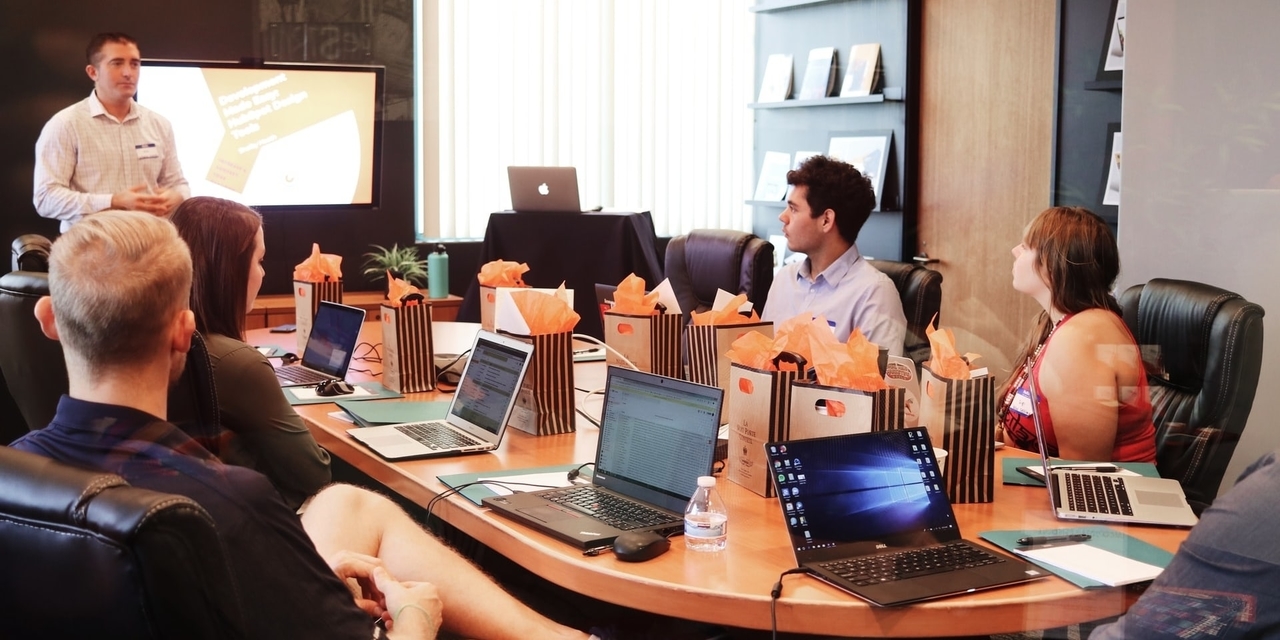
In-person training can accelerate learning by giving you direct feedback and access to an experienced designer. For example, a web design company in London called pomegranate offers web design training sessions for beginners and small business owners who want to understand how websites are built and maintained. That kind of direct guidance helps you avoid frustrations that can cause self-taught learners to give up.
Joining a Design Community
Communities like the WordPress support forums, designer Slack groups, or even Reddit’s web design subreddits give you a place to ask questions, share your work, and learn from others. The feedback you get from experienced designers who owe you nothing is often more honest and useful than anything you get in a classroom.
<blockquote>Your first website will not be your best. Your tenth will be better. Your fiftieth will be something you could not have imagined at the start.</blockquote>
Focused students working on a presentation in a library
How Long Does It Take
The timeline depends on how much time you can dedicate. Someone studying ten hours a week can learn HTML and CSS in about two months, basic responsive design in another month, and WordPress customisation in a third month. After six months of consistent work including real projects, you can have a portfolio that lands you paid work.
Compare that to a three-year degree that costs over nine thousand pounds per year in tuition alone and you start to see why more people are choosing the self-taught route. The degree offers breadth and academic context. The self-taught route offers speed, lower cost, and skills that are current with today’s tools and practices.
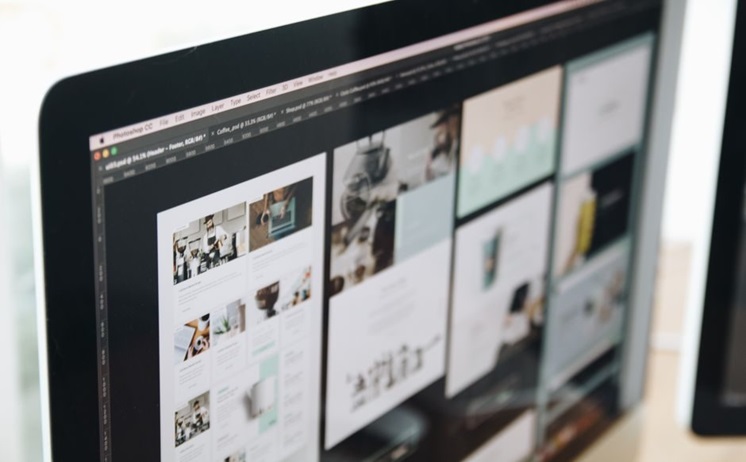
A person browsing a website on an iMac computer
Frequently Asked Questions
Can I become a web designer without knowing how to code?
Yes. Many web designers use visual builders like WordPress with the block editor or Elementor. However, learning basic HTML and CSS gives you more control and makes you a stronger candidate for jobs.
What equipment do I need to start learning web design?
A laptop or desktop computer and an internet connection are enough. Most web design tools run in a browser. You do not need expensive software to begin.
How do I build a portfolio with no clients yet?
Build sites for yourself, a fictional business, a local charity, or a friend’s hobby project. The work does not need to be for a paying client to demonstrate your skills.
Is a web design bootcamp worth the money?
Bootcamps can be valuable if they offer live instruction, project feedback, and career support. Research the specific bootcamp’s outcomes before paying. Many free resources teach the same skills.
Do employers check for a degree in 2026?
Most employers in web design care more about your portfolio and practical skills than your education. A degree may help at larger corporate companies, but it is rarely a barrier at agencies and startups.